
Mark your calendar for quarterly deep-cleans and monthly appliance checks to prevent costly repairs and extend the life of your home’s hardest-working systems. Professional maintenance experts recommend creating a digital or printable seasonal checklist that breaks overwhelming tasks into manageable monthly goals—and if you need specialized help with essential systems like dryer vents, visit this site for expert guidance.
Your home operates like a well-oiled machine, but only when you give each component the attention it deserves at the right time. Spring demands HVAC filter replacements and exterior deep-cleaning as pollen settles everywhere. Summer requires air conditioning tune-ups and refrigerator coil cleaning before heat waves hit. Fall calls for gutter clearing, furnace inspections, and weather-stripping checks before temperatures drop. Winter focuses on indoor appliance maintenance like dishwasher filter cleaning and water heater flushing while you’re spending more time indoors.
The secret to stress-free home maintenance isn’t doing everything at once—it’s building a rhythm that matches nature’s seasons. This comprehensive checklist breaks down exactly what to clean, inspect, and maintain each season, transforming intimidating home upkeep into achievable monthly tasks. Whether you’re a first-time homeowner or a seasoned renter wanting to protect your space, these seasonal strategies will help you catch small issues before they become expensive problems while keeping your home looking and functioning beautifully year-round.
Why Seasonal Maintenance Matters More Than You Think
Let’s be honest: when your weekend arrives, deep-cleaning your refrigerator coils probably isn’t topping your fun-to-do list. But here’s the thing—those small seasonal maintenance tasks you’re putting off? They’re quietly saving (or costing) you hundreds of dollars each year.
Think of seasonal home maintenance like getting regular oil changes for your car. Skip them, and you might cruise along fine for a while, but eventually, you’ll face a repair bill that makes you wish you’d just spent those 20 minutes doing preventive care. According to home warranty studies, neglected appliances fail up to 30% sooner than well-maintained ones. That’s replacing your dishwasher at year seven instead of year ten—a difference of about $800 to $1,200 out of your pocket.
The financial benefits go beyond avoiding replacements, though. Clean, well-maintained appliances run more efficiently. A clogged dryer vent, for example, can increase your energy costs by 20-30% and, scary enough, causes thousands of house fires annually. Simply cleaning it out seasonally protects your home and cuts your utility bills. Similarly, changing your HVAC filters every season can reduce your heating and cooling costs by 5-15%. That’s real money back in your budget for things you actually enjoy—like that gallery wall project you’ve been planning.
There’s also the home value factor. Whether you’re planning to sell soon or just want to protect your investment, a well-maintained home shows better and appraises higher. Prospective buyers notice functioning appliances, clean systems, and homes that don’t scream “deferred maintenance disaster.”
The beauty of seasonal maintenance is that it breaks overwhelming tasks into manageable chunks. Instead of facing a marathon cleaning session, you’re tackling specific areas when they naturally need attention—checking your AC before summer heat arrives or winterizing outdoor fixtures before the first freeze. It’s proactive living that actually reduces stress while keeping your home looking and functioning beautifully year-round.
Spring Cleaning and Appliance Refresh
HVAC System Tune-Up
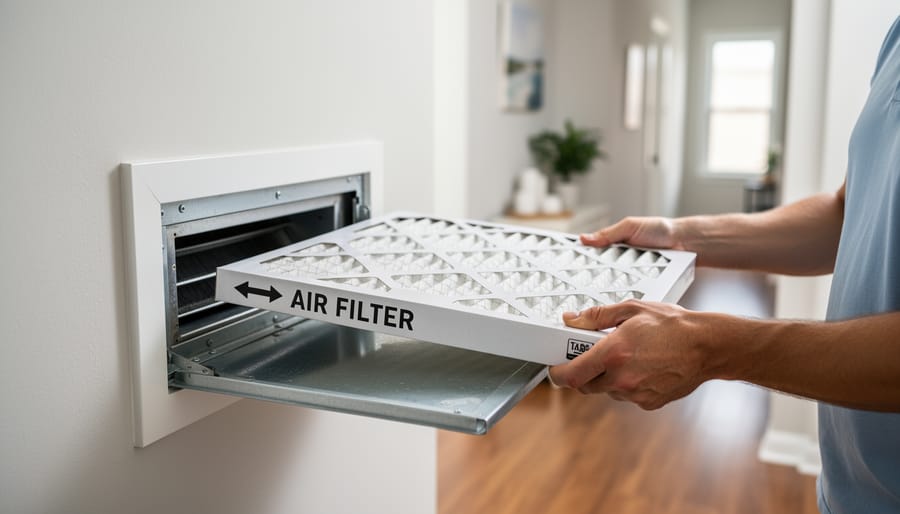
Your HVAC system works hard year-round to keep you comfortable, so giving it some seasonal love is essential. Start with the easiest win: replacing your air filters every 1-3 months depending on usage and whether you have pets. This simple DIY task improves air quality and helps your system run more efficiently, which can lower those energy bills.
Next, grab a vacuum with a brush attachment and clean your vents and return air grilles. You’d be surprised how much dust accumulates there! If you’re feeling ambitious, peek into your ductwork with a flashlight—if you spot significant dust buildup or any musty odors, it might be time for professional duct cleaning.
Schedule a professional HVAC inspection at least once a year, ideally before your heaviest usage season. A technician can catch small issues before they become expensive repairs and ensure everything’s running safely.
Don’t forget your thermostat! Test it by adjusting the temperature settings and listening for your system to kick on. If you still have an older manual thermostat, consider upgrading to a programmable or smart version—it’s a lifestyle upgrade that pays for itself through energy savings.
Kitchen Appliance Deep Clean
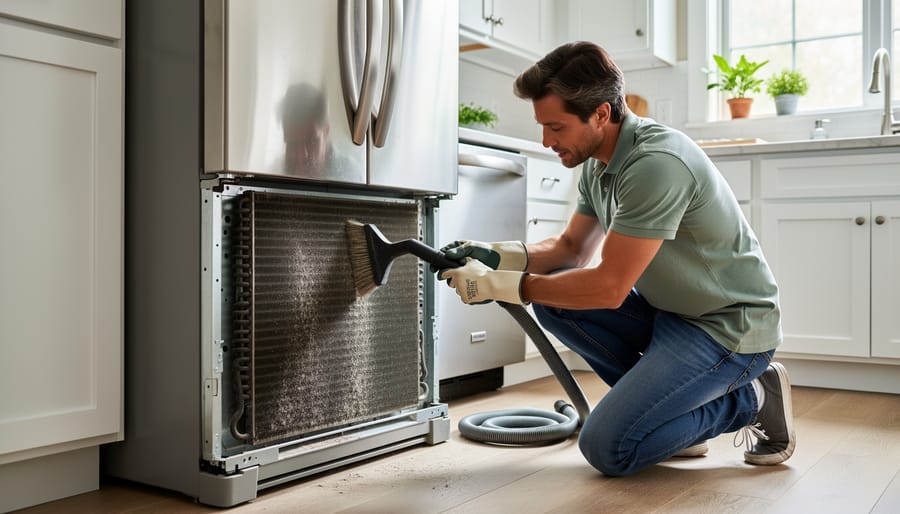
Your kitchen works hard year-round, so let’s show those appliances some love! Start by pulling out your refrigerator to access the condenser coils—these dusty culprits can increase energy costs by up to 25%. Simply vacuum them with a brush attachment every few months to keep things running efficiently. Next, tackle your dishwasher filter, which often gets forgotten. Remove it, rinse away food debris, and soak in warm soapy water. This simple step prevents odors and ensures sparkling clean dishes.
Your oven and range hood need attention too. Mix baking soda with water to create a natural degreasing paste that cuts through baked-on grime without harsh chemicals. For the range hood filter, a hot water and dish soap soak works wonders. Don’t forget about your small appliances—coffee makers benefit from a vinegar rinse cycle, while toaster crumbs should be dumped regularly. Having your essential cleaning tools organized makes these tasks quick and manageable. Think of this deep clean as preventive maintenance that extends appliance life and keeps your kitchen fresh and functional throughout the seasons.
Laundry Room Reset
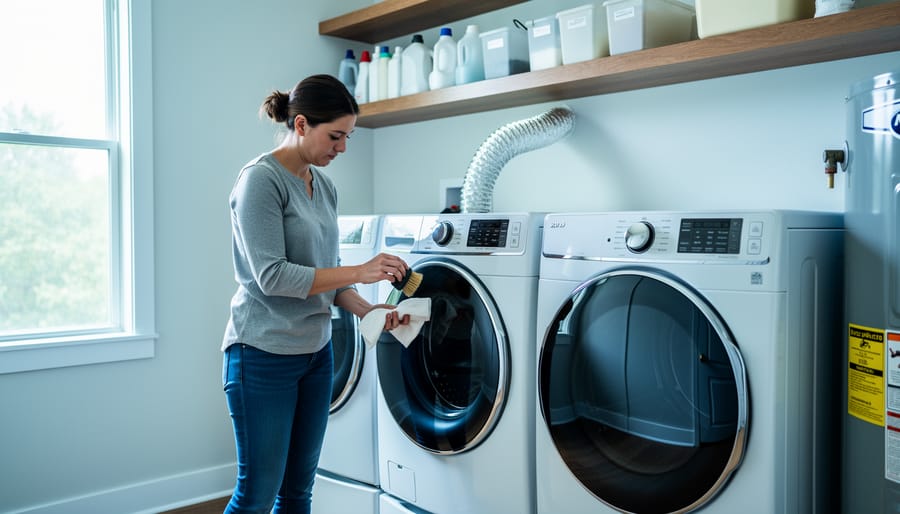
Your laundry room works hard all year, so give it some love with a thorough refresh. Start by running an empty hot water cycle in your washing machine with two cups of white vinegar or a specialized drum cleaner to eliminate built-up detergent residue and mildew. This simple trick keeps your clothes smelling fresh and prevents that musty odor many machines develop over time.
Next, tackle your dryer vent, which is honestly one of the most overlooked fire hazards in homes. Disconnect the vent hose and use a dryer vent brush or vacuum attachment to remove lint buildup from both the hose and exterior vent opening. You’ll be amazed at how much lint accumulates beyond that little filter screen. This cleaning not only reduces fire risk but also helps your dryer work more efficiently, saving energy and drying time.
Finally, inspect all hoses and connections behind both machines. Look for cracks, bulges, or signs of wear on washing machine hoses, and replace them if they’re more than five years old. Tighten any loose connections to prevent leaks that could cause serious water damage. Taking these proactive steps now means fewer emergency repairs later.
Windows, Screens, and Outdoor Spaces
Let your home breathe easier with crystal-clear windows and well-maintained outdoor spaces. Start by washing windows inside and out using a simple DIY solution of water and vinegar for streak-free results. Spring is perfect for inspecting and repairing window screens—small tears can be patched with screen repair kits from your local hardware store, saving you money on full replacements.
Don’t forget those often-overlooked details like cleaning brass fixtures around windows and doors to restore their warm shine. Tackle gutter cleaning twice yearly to prevent water damage and foundation issues. Remove debris by hand or with a gutter scoop, then flush with your garden hose.
Prepare outdoor appliances for seasonal transitions by removing and storing AC unit covers before summer, cleaning condenser coils, and replacing filters. Give your outdoor grill a thorough deep-clean at season’s start, scrubbing grates and checking gas connections for safety. These exterior maintenance tasks protect your investment while keeping your home looking fresh and inviting year-round.
Summer Maintenance for Peak Performance
Cooling System Care
Keeping your cooling system in top shape ensures comfortable summers and better energy efficiency. Start with the easiest task: change your air conditioner filters every 1-3 months during peak usage. This simple DIY project takes just minutes but dramatically improves air quality and system performance. Look for the filter slot on your unit (usually behind a front panel), slide out the old filter, and pop in a new one matching the size printed on the frame.
Next, give your outdoor AC unit some attention. Clear away leaves, grass clippings, and debris from around the unit, maintaining at least two feet of clearance. Gently spray down the exterior fins with a garden hose to remove built-up dirt. Inside your home, vacuum ceiling fan blades and light fixtures to prevent dust circulation.
While checking refrigerant levels requires a professional HVAC technician, you can ensure proper airflow by keeping vents unblocked by furniture or decor. Listen for unusual noises and feel for weak airflow, which might signal it’s time to call in an expert for a tune-up before the season heats up.
Refrigeration and Food Storage
Your fridge and freezer work hard all year, so give them some seasonal TLC to keep everything running smoothly. Start by checking your refrigerator temperature—it should sit between 35-38°F, while your freezer needs to stay at 0°F or below. A simple thermometer can help you verify this, and adjusting the settings now can prevent food spoilage and save on energy costs.
Take time to organize your deep freezer by grouping similar items together and labeling everything with dates. This DIY approach not only maximizes space but helps you rotate stock and reduce waste. While you’re at it, inspect those door seals by closing the door on a dollar bill—if it slides out easily, the seal needs replacing.
Don’t forget your ice maker! Run a cleaning cycle with a vinegar solution to remove mineral buildup and keep your ice tasting fresh. These quick maintenance tasks take less than an hour but make a noticeable difference in your appliance performance and your kitchen’s overall functionality. Plus, a well-organized freezer feels as satisfying as a beautifully styled pantry—it’s functional decor at its finest.
Outdoor Appliances and Equipment
Your outdoor spaces deserve just as much attention as your indoor areas, especially as seasons change. Start with your grill, which can accumulate grease and debris over time. Give it a deep clean by scrubbing grates with a wire brush, emptying drip pans, and wiping down the exterior. Check gas connections for leaks and replace any worn parts before next grilling season.
Outdoor ceiling fans and portable fans should be cleaned thoroughly before storing them for winter. Wipe down blades, check for loose screws, and cover them properly if they’ll stay outside. This simple maintenance extends their lifespan and keeps them running smoothly.
If you have pool equipment, winterizing is crucial in colder climates. Balance chemicals, clean filters, and remove any debris. Store pool toys and accessories in a dry location to prevent mildew and damage.
Don’t forget your lawn equipment! Before storing your mower and trimmer, drain or stabilize the fuel, clean cutting blades, and sharpen them if needed. This DIY task takes just minutes but makes spring startup so much easier. Store everything in a dry shed or garage, and you’ll be ready to tackle yard work when warm weather returns.
Fall Preparation and Winter-Readiness
Heating System Preparation
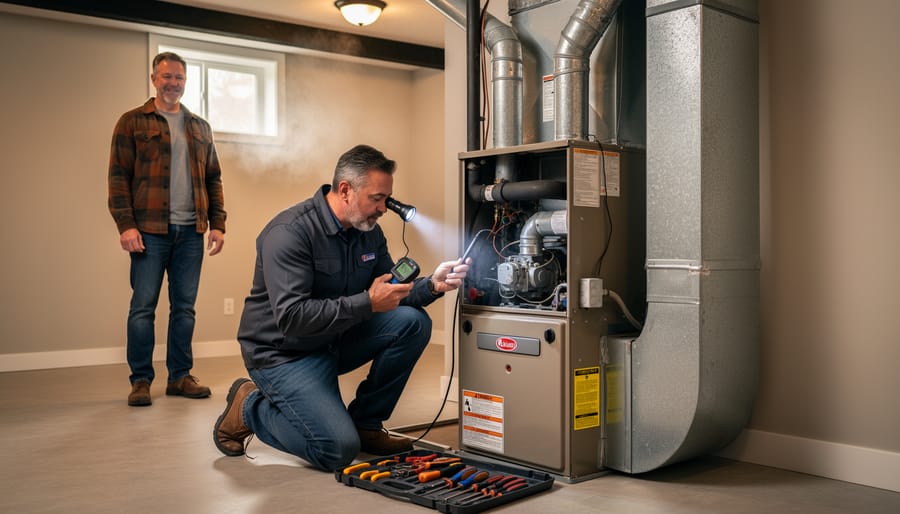
Before the cold weather settles in, giving your heating system some attention ensures cozy, safe winters ahead. Start by scheduling a professional furnace inspection to catch potential issues early—think of it as a wellness check for your home’s hardest-working appliance. If you have baseboard heaters, vacuum away dust buildup using your brush attachment, which helps them run more efficiently and prevents that burnt-dust smell when you first turn them on.
Planning to use space heaters? Safety first! Check cords for fraying, ensure automatic shut-off features work properly, and commit to the three-foot rule—keeping them away from curtains, furniture, and anything flammable. This simple practice prevents most heating-related home accidents.
Don’t forget your fireplace and chimney if you have one. Have your chimney professionally cleaned and inspected annually to remove creosote buildup, which can cause dangerous fires. Clear ashes from your fireplace, check that the damper opens and closes smoothly, and stock up on seasoned firewood. These preparations transform your fireplace from a safety concern into the cozy focal point you’ll love gathering around all season long.
Water Heater and Plumbing Care
Your water heater works hard year-round, so giving it some seasonal attention can extend its life and save you money on energy bills. Start by flushing your tank annually to remove sediment buildup that makes your system work harder than necessary. Simply attach a garden hose to the drain valve, run it outside or to a floor drain, and let the water flow until it runs clear. While you’re at it, check the anode rod, a metal component that prevents tank corrosion. If it’s worn down to less than half an inch thick, replace it to avoid costly tank failure.
Before temperatures drop, insulate exposed pipes with foam sleeves from your local hardware store. This simple DIY project prevents freezing and reduces heat loss, keeping your water warmer for longer. Don’t forget to test your pressure relief valve by lifting the lever and letting it snap back. Water should flow freely and stop when released. If it doesn’t, replacement is needed to prevent dangerous pressure buildup. These straightforward maintenance tasks take minimal time but deliver maximum peace of mind.
Kitchen and Cooking Appliances
Your kitchen works hard all year long, so let’s show it some love! Start by checking your oven’s temperature accuracy—grab an oven thermometer and compare the reading to your setting. If it’s off by more than 25 degrees, it’s time for a simple recalibration (check your manual for specific steps). Next, pop out that range hood filter and either replace it or give it a good soak in hot, soapy water to cut through grease buildup. Your garbage disposal deserves attention too—toss in some ice cubes and citrus peels, then run it to freshen things up and sharpen the blades naturally. Don’t forget your trusty coffee maker! Descale it by running a 50/50 mixture of white vinegar and water through a brew cycle, followed by two clean water cycles. While you’re at it, take time to deep clean your cookware for a truly refreshed kitchen space.
Weatherproofing and Insulation
Keeping your home protected from the elements is essential for comfort and energy efficiency. Start by walking around your home’s interior with a lit candle or incense stick on a windy day to detect drafts around windows and doors. Seal any gaps with weatherstripping or caulk, a simple DIY project that can significantly reduce your heating and cooling costs. Don’t forget to check your attic insulation levels, especially before winter arrives.
Before freezing temperatures hit, disconnect and drain outdoor hoses, then insulate exterior spigots with foam covers to prevent pipe bursts. Store seasonal appliances like window air conditioners properly by cleaning them thoroughly, wrapping them in protective covers, and keeping them in a dry space. Your fall outdoor maintenance routine should include inspecting door sweeps and replacing worn ones. Consider adding insulated curtains or cellular shades to windows, which serve double duty by improving energy efficiency while elevating your interior decor. These preventive measures protect your investment and create a cozier living space year-round.
Winter Deep Maintenance and Indoor Focus
Indoor Air Quality Management
The air you breathe indoors matters just as much as your home’s aesthetic appeal. Start by deep cleaning your humidifier every two weeks during active use—mineral buildup isn’t just unsightly, it can harbor bacteria that circulates throughout your space. Empty the tank, scrub with white vinegar, and rinse thoroughly before refilling.
Your air purifier works hard behind the scenes, so check those filters monthly and replace them according to manufacturer guidelines, typically every three to six months. Think of it as a refresh for your home’s lungs. Mark replacement dates on your calendar to stay on track.
Don’t forget about ventilation fans in bathrooms and kitchens. Remove covers quarterly and vacuum away dust buildup. A quick wipe-down with warm, soapy water keeps them running efficiently while preventing that grimy film from forming.
Combat indoor allergens by washing curtains and bedding in hot water, vacuuming upholstery with a HEPA filter vacuum, and addressing any humidity issues that encourage dust mites. These simple tasks create a healthier environment while complementing your home’s fresh, inviting atmosphere.
Appliance Efficiency Checks
Your appliances work hard year-round, so giving them some attention during your seasonal cleaning routine can extend their lifespan and keep energy costs in check. Start by inspecting door seals on your refrigerator, freezer, dishwasher, and oven. A simple trick? Place a dollar bill in the door and close it—if you can pull it out easily, the seal may need replacing. This small fix can significantly reduce energy waste.
Schedule time to defrost your freezer if it’s accumulated more than a quarter-inch of ice buildup. Not only does this improve efficiency, but it also frees up valuable storage space. While you’re at it, test safety features like your oven’s auto-shutoff and dishwasher’s leak detection system—these features protect your home and give you peace of mind.
Consider tracking your energy consumption through your utility app or smart home system. Noticing unusual spikes? It might be time to replace an aging appliance or investigate further. These DIY checks are straightforward and can save you from costly repairs down the line while keeping your home running smoothly.
Emergency Preparedness
Don’t wait for an emergency to discover your safety systems aren’t working! Make it a seasonal habit to test your smoke and carbon monoxide detectors by pressing the test button—and replace batteries twice a year, even if they seem fine. While you’re at it, locate your circuit breaker panel and label any unmarked switches so you’re not fumbling in the dark during an outage. Stock a designated emergency kit with flashlights, fresh batteries, and phone chargers, keeping everything in one accessible spot. Consider this part of your home’s invisible decor—the systems that protect your family should work as reliably as your favorite light fixture illuminates your space. These simple quarterly checks take just minutes but provide invaluable peace of mind.
Creating Your Personalized Maintenance Schedule
The secret to successful seasonal maintenance isn’t creating the most detailed checklist—it’s building a routine that actually fits into your real life. Let’s be honest: that Pinterest-perfect cleaning schedule doesn’t work if it doesn’t match your lifestyle.
Start by choosing a tracking method that you’ll actually use. If you’re tech-savvy, apps like Todoist or Google Calendar work beautifully for setting recurring seasonal reminders. Prefer something tangible? A simple wall calendar in your mudroom or kitchen can be incredibly effective. Many homeowners swear by bullet journals, where you can create custom spreads that integrate your home maintenance tasks with your decor refresh plans. The best system is the one you’ll stick with, so choose what feels natural.
When building your schedule, anchor tasks to memorable dates. Link spring cleaning to the first day of spring, fall furnace checks to when you change your clocks, or summer AC maintenance to Memorial Day weekend. These mental hooks make it easier to remember without constant checking.
Here’s where involving your household becomes essential. Turn seasonal maintenance into a team effort by assigning age-appropriate tasks to family members or roommates. Maybe one person tackles outdoor tasks while another focuses on appliances. Consider making it enjoyable—crank up a great playlist, order pizza afterward, or reward yourselves with a home decor shopping trip once everything’s done.
Break overwhelming tasks into 15-minute chunks throughout the season rather than attempting everything in one exhausting weekend. This approach prevents burnout and makes maintenance feel less like a chore. If you miss a task, don’t stress—just reschedule it. Your home won’t fall apart if the baseboards get cleaned a week late.
Remember, consistency beats perfection every time. Start small, build momentum, and adjust your schedule as you discover what works best for your space and routine.

Embracing a seasonal home cleaning and appliance maintenance routine truly transforms how your home functions and feels. You’ll notice the difference in everything from lower energy bills to appliances that last years longer than expected. The beauty of this approach is that you don’t need to tackle everything at once. Start with just one season’s checklist, mark your calendar, and watch as these tasks gradually become second nature. Think of it as giving your home the same care you’d give to anything else you value. The peace of mind knowing your HVAC system won’t fail mid-summer or that your gutters are ready for spring rains is invaluable. Beyond the practical benefits, there’s something deeply satisfying about maintaining a home that runs smoothly and looks its best year-round. Your future self will thank you for the time invested today, and you’ll create a living space that’s not just beautiful, but genuinely more comfortable and efficient for years to come.

No Comment